

Home and work space · Comfort without cleansing claims
Make your space more usable without fearing “bad energy”
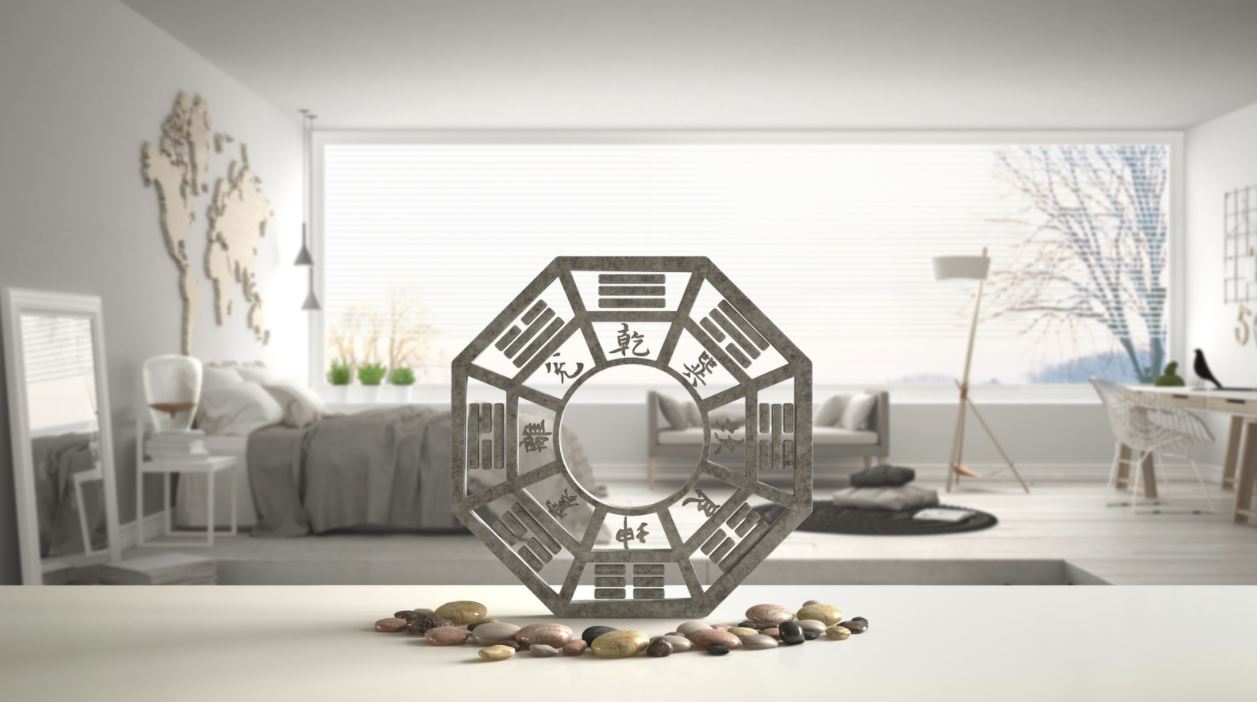
Feng shui belongs to Chinese traditions of thinking about place and arrangement. This article is a practical home-comfort guide inspired by the topics in the earlier version, not an authoritative set of rules for every feng shui tradition.
You may find symbolic meaning in how you arrange a room. That does not establish that a mirror, plant or bowl of salt removes harmful energy. A home does not need to be expensive, perfectly tidy or spiritually “cleansed” to deserve care.
Start with the entrance and everyday movement
Look at how you actually enter and move through the space. Can you open the door easily, put down a bag and reach what you need? A simple place for keys or shoes may be more useful than buying a decorative object.
If you enjoy flowers or a picture near the entrance, choose something that fits the space and household. Keep routes and exits clear. Ask the people who share your home before changing an area they use.
Sort belongings without shame or pressure
Broken items do not prove that good fortune is blocked. Decide whether something needs repair, safe storage, recycling or disposal based on its condition and your needs. Do not throw away someone else’s possessions as a cleansing exercise.
For things you no longer use, start with one small area and a realistic amount of time. Keep important documents and meaningful belongings in view when deciding what stays. Difficulty organizing is not a moral or spiritual failure.
You can aim for easier access rather than an empty-looking room. A busy household or a small rental may need practical storage more than a minimalist appearance.
Consider light and ventilation separately from symbolism
Adjust curtains and lighting for the task at hand, your comfort and privacy. More sunlight is not always better if it creates heat or screen glare. A lamp you already own may be enough for a reading or writing corner.
EPA guidance on indoor air quality emphasizes controlling pollution sources, appropriate ventilation and filtration. Opening windows can increase ventilation, but outdoor smoke or other pollution needs to be considered. Do not follow a rule to open every window regardless of conditions.
Fresh air is an air-quality consideration—not evidence that a previous occupant’s emotions have left the building.
Plants are optional, and pet safety comes first
Choose a plant because you enjoy it and can care for it, not because you have been promised that it will remove sadness. You can also choose no plants at all.
The earlier article specifically recommended a peace lily. ASPCA lists peace lilies as toxic to cats and dogs. Check a plant’s identity and suitability before bringing it into a household with animals. If you suspect ingestion of a toxic plant, contact your veterinarian promptly.
Plants are not a substitute for ventilation or other air-quality measures. EPA notes that ordinary numbers of houseplants have not been shown to remove significant quantities of pollutants in homes and offices.
Mirrors, directions and salt: keep claims in perspective
A securely placed mirror can be a decorative choice. There is no need to put mirrors everywhere or to treat a reflection as spiritual protection. Consider whether its position is useful or creates unwanted glare or loss of privacy.
The earlier version singled out the north of the home as a universal energy rule. This guide does not establish that claim. If you study a particular feng shui approach, learn its context rather than treating a brief decorating checklist as complete instruction.
Salt in room corners is not necessary when moving into a previously occupied home. Focus on actual cleaning and maintenance needs; do not assume that earlier residents left harmful spiritual contamination.
Choose a manageable cleaning routine, not a ritual obligation
Work with what the household can sustain: clear a frequently used surface, deal with spills and follow cleaning-product instructions. Ask for help with jobs you cannot safely manage. A room does not have to look staged for it to work well.
Incense is not required. A fragrance-free space is a valid choice, especially in a shared home or client area. Do not burn something merely because a checklist says it will raise the room’s energy.
Illustrative example: someone sets up a modest home-office corner by moving paperwork into a folder, adjusting a lamp and placing a chair where the door remains clear. They make no purchases and use no smoke or ritual objects. The improvement is that the space is easier to use—not proof of an invisible force changing.
Let the room support you, not judge you
Try one change and see whether it helps with the way you live or work. Keep what is useful, revise what is not and respect the needs of others in the space.
Feeling unhappy or having a difficult period does not mean your home is spiritually defective. For more reflection without blame, see aura symbolism and practical choices and everyday grounding pauses.
The mention of using salt to absorb negative energy is intriguing. While I’m not entirely convinced of its efficacy, it’s an interesting ritual that might have psychological benefits.
The concept of using Feng Shui to enhance the energy in a home is quite fascinating. It’s interesting how cultural practices can influence our well-being and overall quality of life.
The emphasis on natural elements like sunlight and fresh air aligns well with modern understandings of environmental psychology. Incorporating these elements can undoubtedly improve mental health.
Utilizing mirrors to reflect light and create a sense of space is a well-known interior design strategy. It’s helpful to see how Feng Shui principles overlap with contemporary design techniques.
I appreciate the practical tips provided in the article, such as decluttering and letting in fresh air. These are simple actions that can indeed make a significant difference in creating a harmonious living space.