

Reader wellbeing · Coming back to the present
Grounding yourself without turning discomfort into a spiritual diagnosis
People use “grounding” in different ways. In spiritual practice, it may describe a symbolic connection with the earth. In everyday wellbeing, it can mean directing attention toward your surroundings and the task in front of you. These meanings should not be confused with proof that chakras have been balanced or another person’s energy has been removed.
A short pause can be an optional part of a reader’s working day. It is not a requirement to buy products, follow a ritual or explain physical symptoms spiritually.
Begin with something ordinary and observable
NHS inform offers grounding exercises, including a sensory 5-4-3-2-1 method. Such exercises are about attention to the present, not confirming a supernatural event.
For an informal workday pause, you might sit comfortably, look around the room and name the next practical thing you need to do. Keep your eyes open if you prefer. There is no need to force a particular sensation or continue something that feels uncomfortable.
Choose an activity that fits your day
- Movement: consider a short walk, gentle movement or familiar music if you feel well enough and the setting is safe.
- A small household task: put away a few items or clear a space on your desk. It need not become a whole cleaning project.
- Connection: ask a friend whether they have time to talk. Discuss your own experience without sharing a client’s private details.
- Ordinary downtime: a book, television program or quiet break can be leisure, without needing a spiritual explanation.
- Personal comfort: choose familiar, suitable self-care rather than treating a bath, beauty treatment or food as an energy-clearing prescription.
Intimacy is never a required grounding technique or a service a reader should request from a client. Consent and professional boundaries remain essential.
Enjoy nature without making it a test
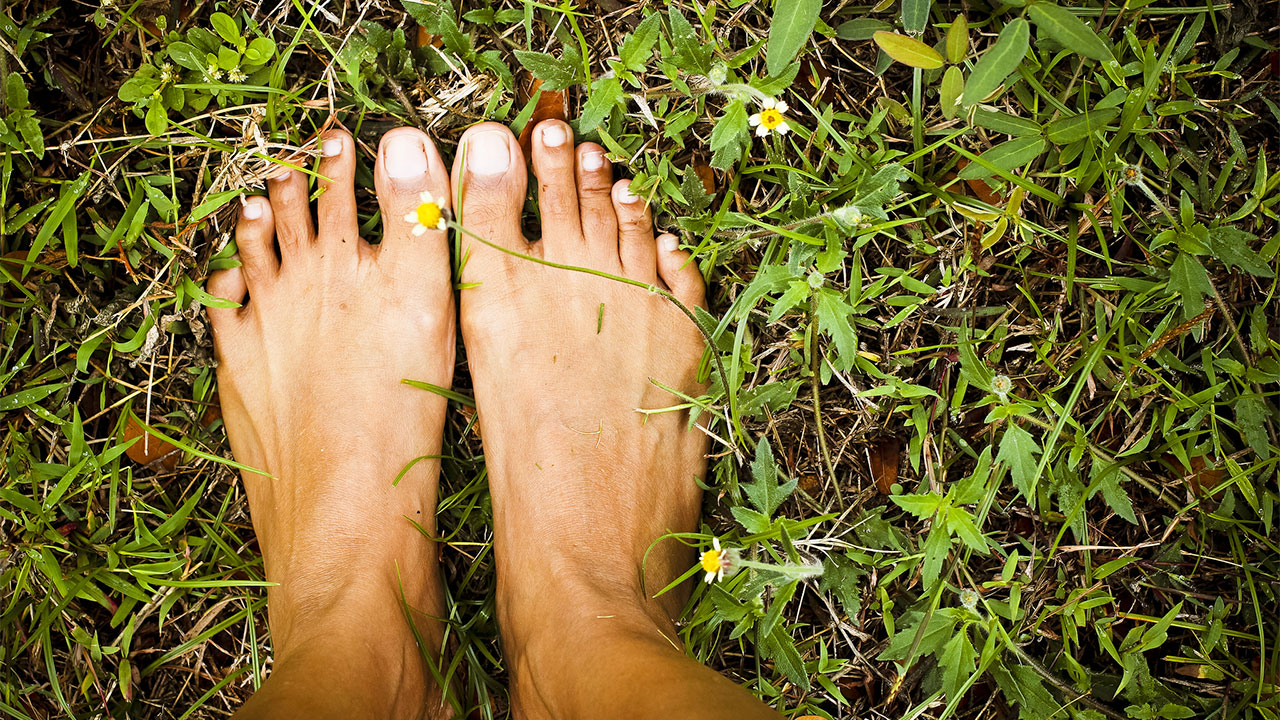
A chair in the yard, a view through a window or a little gardening may be an appealing change of setting. You do not have to walk barefoot, hug a tree or stay in the sun to qualify as grounded.
Choose a setting that works for your mobility, weather and safety needs. Shoes and shade do not invalidate a personal sense of connection with nature. An indoor option is equally acceptable.
Keep symbolic tools optional
Imagining roots, holding a familiar stone or using a meaningful image can be personal symbolism. A crystal’s name or color does not establish that it removes negative energy. Meditation is not a guaranteed route to a spirit world.
You do not need essential oils, bath salts, a diffuser or special foods for this pause. This guide does not recommend adding oils to bathwater or using products outside their instructions. Skip a tool that is uncomfortable, unaffordable or unsuitable for you.
For food-related claims, see a practical alternative to “high-vibration” diet rules.
A between-session example
Imagine finishing an emotionally demanding call in a home office. You close the client notes, check the time and sit by the window before deciding whether you are ready for the next appointment. If not, you follow your agreed rescheduling process.
This is an illustrative boundary-setting example, not a report of energy leaving the body. The observable outcome is that you paused and made a practical decision.
Use a pause, not a promise
Ask whether the activity is comfortable and useful for you—not whether you performed it perfectly. You can stop, choose another activity or seek support. Recurring distress or physical symptoms deserve qualified attention, not an escalating collection of spiritual rituals.
See also five wellbeing habits for readers for a broader look at workday routines.
The article provides a variety of grounding techniques that can be easily implemented in daily life. The inclusion of both physical and spiritual methods makes it comprehensive.
While the article emphasizes the importance of grounding for people involved in psychic work, the methods listed can be beneficial to anyone feeling disconnected.
I agree. Everyone can benefit from grounding, especially in our fast-paced, technology-driven world.
Absolutely, grounding techniques like walking in nature or meditating can help anyone, not just those involved in spiritual practices.
The article covers a wide range of grounding techniques, from physical activities to dietary suggestions. It’s helpful to see so many different options.
Interesting read. The inclusion of both scientific and more esoteric methods of grounding could appeal to a broad audience.
Grounding seems to offer benefits beyond just spiritual well-being. The suggestions are practical and could potentially improve mental and physical health as well.