

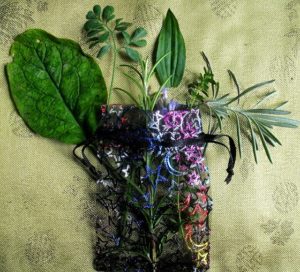
HERBS AND SYMBOLISM · OPTIONAL, NOT ESSENTIAL
No herb is something everyone needs for a psychic reading
Herbs are optional symbols, not a requirement for a reading. A plant may have personal or spiritual significance, but that does not establish that smelling, swallowing or burning it improves psychic accuracy. You can have a scent-free, smoke-free session with no herbal products at all.
Separate a personal association from a promised effect
You might associate a familiar plant with a garden, a meal or a quiet moment. That association does not demonstrate clearer visions, protection from harm, access to past lives or communication with spirits. Feeling ready to reflect is different from verifying information about another person.
The earlier list named anise, cedar, celery, cinnamon, jasmine, lemongrass, lilac, peppermint, rosemary, sage and sandalwood. Those names remain here so readers can understand what has changed: this page no longer ranks them by psychic “power” or assigns them guaranteed effects. This is not a list of plants approved for eating, skin use, burning or treating a condition.
A food, an extract and an essential oil are not interchangeable
Do not turn an ornamental plant, incense ingredient or essential oil into a homemade tea because its name appears in a spiritual article. Check the exact product and intended use rather than assuming that a familiar name makes every preparation safe.
NCCIH’s dietary-supplement guidance explains that natural products can have risks and interact with medicines. Many supplements have not been tested in children or during pregnancy and breastfeeding. Discuss an herbal supplement with a healthcare professional, particularly if you take medicines, have a medical condition or are preparing for surgery. A psychic reader is not a substitute for that advice.
Do not use oils casually to create a spiritual effect
The National Capital Poison Center warns that essential-oil misuse can cause poisoning; skin reactions and harmful effects from swallowing or absorption are possible. Follow the specific product’s directions, keep oils securely away from children and pets, and do not swallow them to intensify a reading. This article provides no dilution recipe, dose or recommendation to put oil on your body.
If someone swallows an essential oil or a product containing it, contact Poison Control in the United States at 1-800-222-1222 for case-specific advice. Difficulty breathing is a medical emergency; call 911 in the United States or your local emergency number elsewhere.
Make the room welcoming without smoke or fragrance
The previous instructions involving incense, burning herbs, oil lamps and scented dream pillows have been removed. For the reflection activity on this page, use no smoke, heat, fragrance or ingestion. A plant illustration, a written word or an ordinary unscented object is enough.
Before a session, ask about comfort and access needs rather than assuming everyone enjoys the same environment. A client’s request to avoid fragrance does not show a lack of spiritual openness. Do not require someone to smell, drink or apply a product to participate.
A no-product reflection exercise
- Write the name of a familiar plant or draw it from memory. You do not need to collect or purchase it.
- Note one personal association, if any. Label it as a memory or interpretation.
- Ask a practical question connected to that association.
- Leave any factual claim open until you have appropriate evidence.
Original example: A drawing of rosemary reminds you of a family meal. You decide to ask a relative for a recipe. The memory gives you a conversation idea; it does not establish that the plant sent a message.
For related symbolism without dietary promises, read our kitchen-symbol guide. A simple reflection should never require an unsafe exposure, a special purchase or postponing healthcare.
Editorial clarification: The original plant names are retained for context, not as recommendations. Claims of boosted powers, healing and past-life access, together with casual ingestion, burning and oil-application instructions, have been removed.
The practice of using herbs in psychic readings seems to blend aromatherapy with traditional psychic practices. It would be interesting to see if other holistic practices can enhance psychic readings similarly.
While the idea is fascinating, it raises questions about the ethical considerations when advising people based on psychic readings. How can one ensure the accuracy and honesty of such practices?
That’s a valid point. Perhaps a regulatory framework or accreditation system for psychics could help maintain ethical standards.
Ethics in psychic practices is indeed a complex issue. Transparency about the methods and their limitations is crucial.
The list of herbs and their supposed effects on psychic abilities is quite comprehensive. It might be useful to know if these herbs have any side effects, especially when consumed.
It’s interesting to see that different herbs are believed to have specific effects. It would be beneficial to understand the historical and cultural contexts behind these uses.
The concept of using herbs to enhance psychic readings is intriguing. I wonder if there is any scientific evidence to support these claims or if it’s more anecdotal.